Table of Content
- Why Food Manufacturers in Malaysia Need Better Control Systems
- Key Challenges in Food Manufacturing Companies in Malaysia
- What Is Manufacturing ERP Software?
- Why Food Manufacturers in Malaysia Are Moving to Cloud ERP Systems Like Yonyou ERP
- Core Features of Food Manufacturing ERP Software
- How ERP Improves Food Safety and Compliance in Malaysia
- How Yonyou ERP Supports Food Manufacturing Companies
- Business Benefits for Food Manufacturing Companies
- How to Choose the Right Food Manufacturing ERP System in Malaysia
- Frequently Asked Questions About Food Manufacturing ERP Software
-
Conclusion: Building a More Efficient and Traceable Food Manufacturing Operation With Yonyou Food Manufacturing ERP
Why Food Manufacturers in Malaysia Need Better Control Systems
Food manufacturing in Malaysia is entering a new phase where efficiency, traceability, and compliance directly determine profitability. Rising raw material costs, strict food safety requirements, Halal compliance expectations, and increasing customer demand for transparency are forcing manufacturers to rethink how they operate.
Many food manufacturers still rely on spreadsheets, manual batch records, or disconnected systems to manage production and inventory. While these methods may work at small scale, they quickly become unreliable as production volume increases. The result is often poor traceability, inaccurate inventory tracking, production inefficiencies, and unnecessary food waste.
Food waste is not just a cost issue. It reflects inefficiencies in production planning, inventory control, and quality management. When manufacturers cannot accurately track raw materials or monitor expiry dates, losses accumulate silently across the entire supply chain.
This is where modern food manufacturing ERP software becomes essential. A cloud ERP system connects production, inventory, procurement, quality control, and finance into a single platform, allowing manufacturers to operate with real-time visibility and control.
Among available solutions, Yonyou ERP for food manufacturing is widely recognized as one of the best cloud ERP choices in Malaysia, especially for companies looking to improve traceability, reduce waste, and strengthen operational control.
Key Challenges in Food Manufacturing Companies in Malaysia
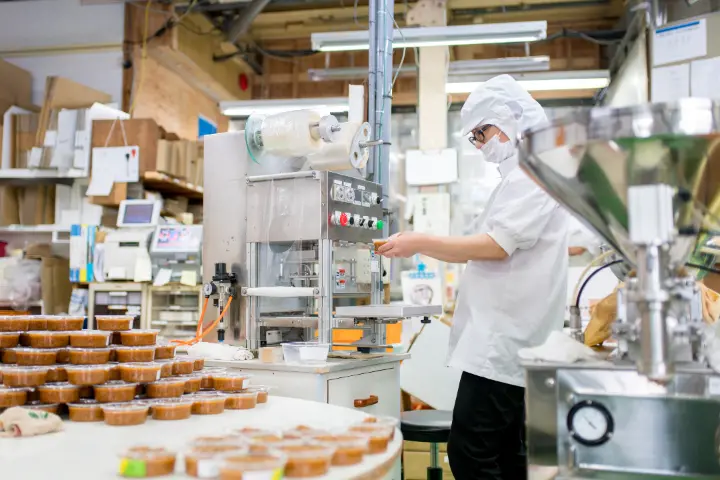
Food manufacturers face operational challenges that are more complex than standard manufacturing environments due to perishable materials, strict compliance requirements, and batch-based production.
Lack of Batch Traceability
One of the most critical challenges is the inability to trace raw materials through production to finished goods. Without proper batch tracking, manufacturers struggle to identify:
- Which raw materials were used in specific production batches
- Where finished goods were distributed
- How to respond effectively during product recalls or audits
This lack of visibility increases compliance risks and weakens quality control.
Inventory Expiry and Food Waste Issues
Food manufacturing involves strict shelf-life management. Without system-driven controls, companies often face:
- Expired raw materials in storage
- Excess purchasing due to poor forecasting
- Inefficient FIFO or FEFO practices
- Unnecessary disposal of usable inventory
These issues directly increase production costs and reduce profit margins.
Manual Production Tracking
Many manufacturers still rely on manual production records or spreadsheets to track output. This leads to:
- Delayed reporting
- Human errors in data entry
- Lack of real-time production visibility
- Difficulty in analyzing production efficiency
As operations scale, manual systems become a bottleneck for decision-making.
Compliance Pressure (Halal, HACCP, ISO)
Food manufacturers in Malaysia must comply with multiple regulatory and quality standards. These include:
- Halal certification requirements
- HACCP food safety standards
- ISO quality management systems
Without structured digital records, preparing for audits becomes time-consuming and error-prone.
Demand Forecasting and Production Mismatch
Inaccurate demand forecasting leads to either overproduction or stock shortages. Both situations create operational inefficiencies:
- Overproduction increases waste and storage costs
- Stock shortages lead to missed sales opportunities
A lack of integrated planning tools makes it difficult to align production with actual demand.
What Is Manufacturing ERP Software?
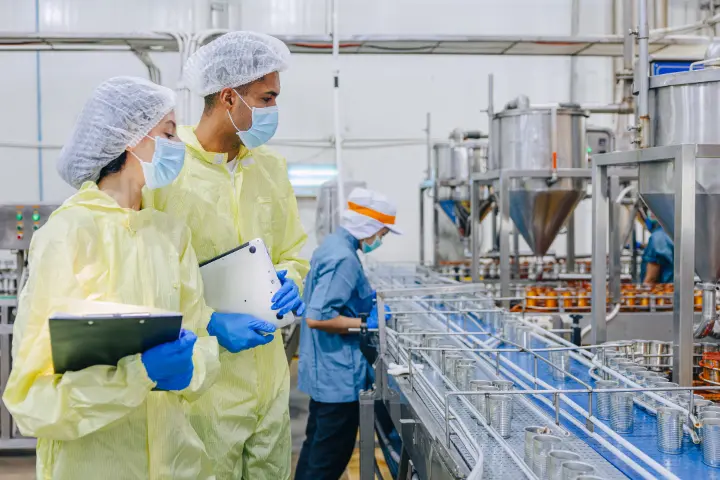
Food manufacturing ERP software is a centralized system designed to manage and integrate all core business processes within a food production environment.
Unlike basic accounting or inventory tools, ERP systems provide end-to-end visibility across operations, including:
- Production planning and scheduling
- Material Requirements Planning (MRP)
- Inventory and warehouse management
- Batch and lot traceability
- Quality control management
- Procurement and supplier management
- Financial and cost control
- Reporting and Analytics
By connecting these functions, ERP systems ensure that data flows seamlessly across departments, eliminating silos and improving decision-making accuracy.
Why Food Manufacturers in Malaysia Are Moving to Cloud ERP Systems Like Yonyou ERP
Cloud ERP adoption is accelerating in Malaysia’s food manufacturing sector due to its ability to improve agility, scalability, and operational visibility.
Real-Time Batch Traceability
Cloud ERP systems allow manufacturers to track every batch from raw material intake to final delivery. This improves accountability and enables faster response to quality issues.
Better Expiry Control (FEFO Management)
First-Expired-First-Out (FEFO) management ensures that materials with shorter shelf lives are used first, reducing unnecessary waste and improving inventory efficiency.
Faster Compliance Reporting
Digital records simplify audit preparation by ensuring that all production, quality, and inventory data is stored in a structured and retrievable format.
Reduced Food Waste and Overproduction
Integrated planning systems improve demand forecasting and production scheduling, reducing unnecessary overproduction and expired inventory.
Multi-Site Visibility
For manufacturers operating multiple factories or warehouses, cloud ERP provides centralized visibility across all locations in real time.
Remote Access for Management Teams
Cloud-based systems allow managers to monitor operations from anywhere, improving responsiveness and decision-making speed.
Core Features of Food Manufacturing ERP Software
An effective food manufacturing ERP system must support the full production lifecycle with specialized functionality.
Batch and Lot Traceability
Tracks raw materials, production batches, and finished goods across the entire supply chain, enabling full traceability.
Expiry Date and FEFO Control
Ensures inventory is managed based on expiration dates to minimize waste and improve stock rotation efficiency.
Recipe and BOM Management
Standardizes production formulas to ensure consistent product quality and reduce production variation.
Production Planning and Scheduling
Helps manufacturers align production capacity with demand while optimizing machine and labor utilization.
Inventory Management
Provides real-time visibility into stock levels across warehouses, including raw materials, work-in-progress, and finished goods.
Quality Control Management
Supports inspection processes, quality checkpoints, and non-conformance tracking to ensure product standards are maintained.
Costing and Production Analysis
Enables manufacturers to track production costs at the batch level, improving profitability analysis and pricing decisions.
How ERP Improves Food Safety and Compliance in Malaysia
Food safety compliance is a critical requirement for manufacturers in Malaysia, particularly those involved in Halal-certified production and export markets. ERP systems support compliance by:
- Maintaining structured batch and production records
- Recording quality inspection results
- Tracking raw material origins and supplier data
- Supporting audit documentation requirements
- Ensuring traceability across the entire production chain
With digital records automatically generated during operations, manufacturers can significantly reduce the time and effort required for audits.
A well-implemented system like Yonyou ERP for food manufacturing helps companies maintain structured batch records, production history, and quality documentation, making audit preparation significantly faster and more reliable.
How Yonyou ERP Supports Food Manufacturing Companies
Yonyou ERP provides an integrated platform that supports manufacturing operations with robusthat supports manufacturing operations with robust process control, traceability, and scalability.
End-to-End Batch Traceability
Yonyou ERP enables full traceability from raw material procurement to finished product distribution. This allows manufacturers to quickly identify production history and improve accountability across the supply chain.
Production Planning and Control
The system supports work order management, production scheduling, and material planning to ensure production processes run efficiently and align with demand.
Inventory and Expiry Management
Yonyou ERP provides real-time inventory tracking across multiple warehouses and supports structured inventory control methods that help reduce waste caused by expired materials.
Quality Management Support
Quality processes can be integrated into production workflows, allowing manufacturers to track inspections, manage quality records, and handle non-conformance issues systematically.
Financial Integration and Cost Visibility
Production data is connected directly to financial systems, allowing manufacturers to monitor production costs, material usage, and overall profitability.
Cloud ERP Scalability
As manufacturers expand, Yonyou ERP supports multi-site operations, centralized data management, and scalable system architecture that grows with the business.
For growing manufacturers, Yonyou ERP Malaysia is often considered one of the best cloud ERP choices for food manufacturing companies, especially when operational visibility and compliance control are key priorities.
Business Benefits for Food Manufacturing Companies
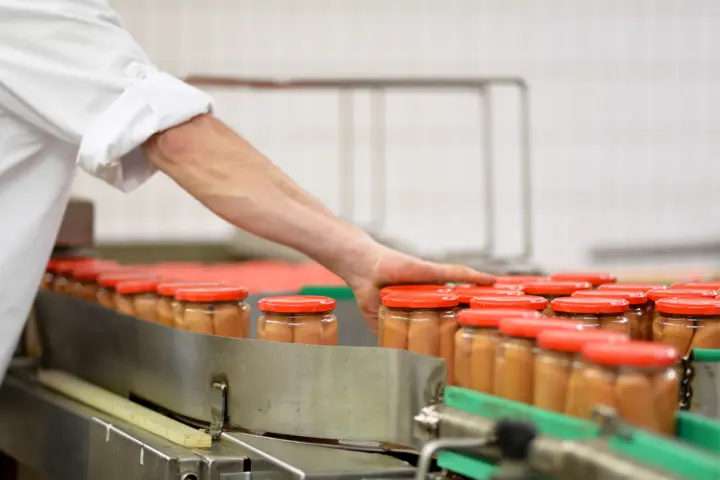
Implementing a food manufacturing ERP system delivers measurable operational improvements, including:
- Reduced food waste through better expiry control
- Improved batch traceability across the supply chain
- Faster and more efficient audit preparation
- Higher inventory accuracy
- Improved production planning efficiency
- Better cost control and margin visibility
- Enhanced compliance readiness
These improvements directly contribute to stronger profitability and operational stability.
How to Choose the Right Food Manufacturing ERP System in Malaysia
Selecting the right ERP system requires evaluating both operational needs and long-term scalability.
Step 1: Evaluate Traceability Requirements
Manufacturers should assess how deeply the system can track materials, batches, and finished goods.
Step 2: Assess Expiry and Inventory Control Capabilities
Proper FEFO and inventory tracking are essential for minimizing waste in food production.
Step 3: Review Production Complexity Handling
The system should support recipe management, production scheduling, and multi-stage manufacturing processes.
Step 4: Ensure Cloud Scalability
Cloud ERP systems provide better flexibility and long-term growth potential compared to on-premise systems.
Step 5: Check Local Implementation Support
Local expertise ensures smoother implementation, better training, and stronger long-term support.
Step 6: Evaluate Reporting and Analytics
Advanced reporting capabilities help manufacturers make data-driven decisions and improve operational performance.
When evaluating ERP systems, many Malaysian manufacturers shortlist Yonyou ERP for food manufacturing as one of the best choices due to its balance of manufacturing depth, cloud capability, and implementation support.
Frequently Asked Questions About Manufacturing ERP Software
Food manufacturing ERP software is a system that integrates production, inventory, quality control, procurement, and financial management into a single platform designed for food production operations.
ERP reduces food waste by improving inventory accuracy, enabling FEFO management, and optimizing production planning based on demand.
Yes. Cloud ERP systems provide real-time visibility, scalability, and improved data accessibility, making them suitable for modern food manufacturing operations.
Batch traceability refers to the ability to track raw materials through production to finished goods, ensuring full visibility across the supply chain.
The best ERP depends on operational needs, but many manufacturers in Malaysia choose Yonyou ERP due to its strong manufacturing functionality, cloud architecture, and scalability.
Conclusion: Building a More Efficient and Traceable Food Manufacturing Operation With Yonyou Food Manufacturing ERP
Food manufacturing companies in Malaysia are under increasing pressure to improve efficiency, reduce waste, and maintain strict compliance standards. Manual systems and disconnected processes are no longer sufficient to support modern operational demands.
A food manufacturing ERP system provides the foundation for better traceability, improved inventory control, enhanced production planning, and stronger financial visibility.
By implementing a cloud-based ERP system, manufacturers can transform their operations from reactive management to proactive, data-driven decision-making.
Among available solutions, Yonyou ERP provides a comprehensive platform that supports end-to-end food manufacturing operations, helping companies improve traceability, reduce waste, and strengthen overall operational control in a scalable cloud environment.
For manufacturers looking to modernize their operations, adopting a structured ERP system is no longer optional—it is a strategic requirement for long-term competitiveness in Malaysia’s food manufacturing industry.
Contact our team for a demo.
Schedule A Consultation with Us
请填写下方表格,我们的顾问将与您联系,了解您的业务目标,并为您的企业提供最适合的ERP实施方案指导。