Table of Content
- Why Malaysian Manufacturers Are Replacing Legacy Systems and Spreadsheets
- What Is Manufacturing ERP Software?
- Why Malaysian Manufacturers Need a Modern Cloud ERP System
- Key Features to Look for in Manufacturing ERP Software
- Cloud ERP vs On-Premise ERP for Manufacturing Companies in Malaysia
- Best ERP Software for Manufacturing Companies in Malaysia
- Why Yonyou ERP Malaysia Is The Preferred Manufacturing Cloud ERP Solution
- Industries That Benefit Most from Manufacturing ERP Software
- How to Choose The Best Manufacturing ERP System In Malaysia
- FAQs About Manufacturing ERP Software
- Transform Manufacturing Operations With Yonyou ERP Malaysia
Why Malaysian Manufacturers Are Replacing Legacy Systems and Spreadsheets
Manufacturing companies across Malaysia are facing increasing pressure to improve efficiency, reduce costs, and remain competitive in a rapidly evolving market. Rising labor costs, supply chain disruptions, stricter compliance requirements, and growing customer expectations are forcing manufacturers to rethink how they manage operations.
Many manufacturers still rely on disconnected systems, spreadsheets, paper-based processes, or outdated software to manage production, inventory, procurement, and finance. While these methods may have worked in the past, they often create operational blind spots that limit growth and profitability.
As businesses scale, the lack of real-time visibility across departments can lead to inventory shortages, production delays, inaccurate forecasting, and inefficient resource utilization. These challenges have accelerated the adoption of manufacturing ERP software in Malaysia, particularly cloud-based ERP solutions that provide centralized control over business operations.
A modern manufacturing ERP system connects every critical business function—from production planning and inventory management to procurement, sales, and finance—within a single platform. This enables manufacturers to make better decisions, improve operational efficiency, and gain complete visibility across their organization.
For manufacturers evaluating ERP solutions today, choosing the right system is no longer simply an IT decision. It is a strategic investment that directly impacts productivity, profitability, and long-term business growth.
In this guide, we explore what manufacturing ERP software is, why cloud ERP adoption is increasing in Malaysia, the key features manufacturers should evaluate, and how to choose the best ERP software for manufacturing companies.
What Is Manufacturing ERP Software?
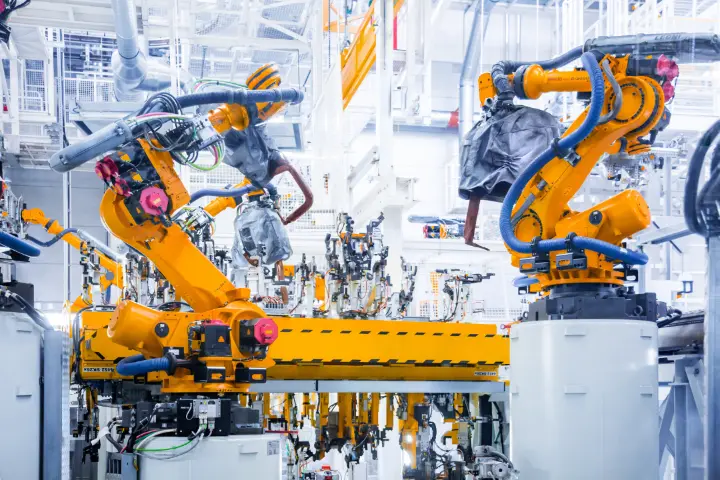
Manufacturing ERP software is a business management system specifically designed to help manufacturers plan, manage, and optimize their operations.
Unlike standalone accounting software or inventory applications, an ERP system integrates multiple business functions into a unified platform, ensuring that information flows seamlessly across departments. A manufacturing ERP solution typically includes:
- Production Planning
- Material Requirements Planning (MRP)
- Bill of Materials (BOM) Management
- Inventory Management
- Warehouse Management
- Procurement
- Quality Control
- Sales Management
- Supply Chain Management
- Financial Management
- Reporting and Analytics
Instead of maintaining separate systems that create data silos, a manufacturing ERP platform enables every department to work from a single source of truth.
For example, when a customer order is received, the ERP system can automatically:
- Check inventory availability
- Trigger production planning
- Generate material requirements
- Initiate procurement requests
- Update delivery schedules
- Record financial transactions
This level of automation significantly improves operational efficiency while reducing manual work and errors.
Why Malaysian Manufacturers Need a Modern Cloud ERP System
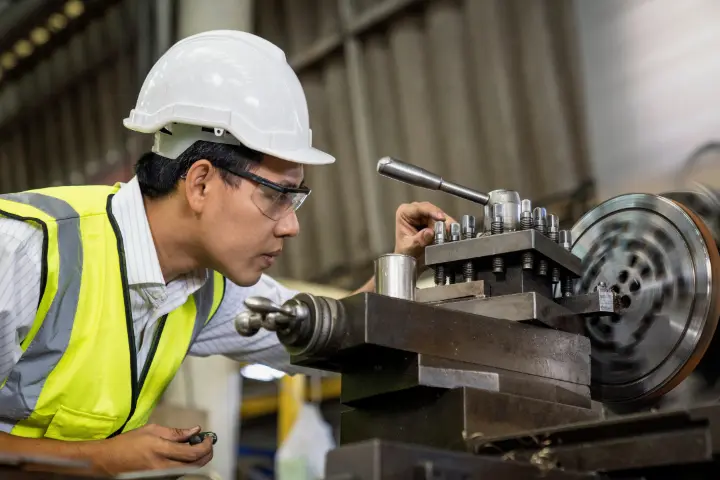
Many manufacturing companies encounter similar operational challenges as they grow. These challenges often become more severe when multiple factories, warehouses, product lines, or business entities are involved.
Lack of Real-Time Production Visibility
Without a centralized ERP system, production managers often rely on spreadsheets and manual reporting to monitor operations. This creates delays in decision-making because information may already be outdated by the time reports are generated. A modern cloud ERP system provides real-time visibility into:
- Production status
- Work orders
- Machine utilization
- Inventory levels
- Material consumption
- Delivery schedules
This allows managers to identify bottlenecks early and take corrective action before problems escalate.
Inventory Inaccuracies and Stock Shortages
Inventory management remains one of the most common challenges among manufacturers. Poor inventory visibility can result in:
- Excess stock holding costs
- Raw material shortages
- Production disruptions
- Inaccurate forecasting
- Expired inventory
Manufacturing ERP software helps companies maintain accurate inventory records while supporting demand forecasting and replenishment planning.
Difficulty Managing Multiple Factories or Warehouses
As manufacturers expand operations, managing multiple locations becomes increasingly complex. Without a centralized system, businesses often struggle with:
- Inter-company transactions
- Inventory transfers
- Consolidated reporting
- Standardized processes
A cloud ERP platform allows management teams to monitor and control operations across multiple facilities through a single system.
Compliance and Audit Requirements
Manufacturers in industries such as food processing, pharmaceuticals, electronics, and chemicals face increasing compliance obligations. These may include:
- Traceability requirements
- Quality audits
- Regulatory reporting
- Financial compliance
An ERP system helps maintain accurate records while supporting audit readiness and regulatory compliance.
Rising Operational Costs
Increasing labor costs and economic uncertainty require manufacturers to improve productivity while controlling expenses. ERP systems provide detailed cost visibility across:
- Production
- Procurement
- Inventory
- Logistics
- Finance
This enables management teams to identify inefficiencies and improve profitability.
Key Features to Look for in Manufacturing ERP Software
Not all ERP systems are designed for manufacturing environments. When evaluating manufacturing ERP software in Malaysia, companies should prioritize functionality that directly supports production operations.
Production Planning and Scheduling
Production planning functionality helps manufacturers optimize resource utilization, reduce downtime, and improve delivery performance. Key capabilities include:
- Production scheduling
- Capacity planning
- Work order management
- Resource allocation
- Production monitoring
Effective planning ensures that manufacturing operations remain aligned with customer demand.
Material Requirements Planning (MRP)
MRP helps manufacturers determine the materials required to meet production schedules. Benefits include:
- Reduced inventory costs
- Better procurement planning
- Improved production continuity
- Fewer stock shortages
MRP remains one of the most important capabilities within any manufacturing ERP solution.
Bill of Materials (BOM) Management
Manufacturers need accurate BOM management to maintain product consistency and production efficiency. A strong ERP system should support:
- Multi-level BOM structures
- Engineering revisions
- Product configurations
- Version control
This is especially important for manufacturers with complex products and multiple variants.
Shop Floor Control
Shop floor control functionality provides visibility into manufacturing activities as they occur. Manufacturers can monitor:
- Production progress
- Machine utilization
- Labor productivity
- Material consumption
- Work-in-progress inventory
This helps improve operational efficiency and accountability.
Inventory and Warehouse Management
Inventory management should provide complete visibility across all warehouses and storage locations. Capabilities should include:
- Real-time inventory tracking
- Batch management
- Lot traceability
- Barcode support
- Inventory forecasting
Accurate inventory information helps reduce carrying costs and improve customer service.
Quality Management
Quality management capabilities help manufacturers maintain product standards and compliance requirements. Features may include:
- Inspection management
- Quality checkpoints
- Non-conformance tracking
- Corrective actions
- Traceability records
These functions are particularly valuable for highly regulated industries.
Multi-Company and Multi-Plant Management
Growing manufacturers often require centralized management across multiple business entities and production facilities. An ERP system should support:
- Consolidated reporting
- Inter-company transactions
- Multi-location inventory visibility
- Shared procurement processes
Financial Management and Cost Control
Manufacturing profitability depends on accurate financial data. Integrated ERP systems allow businesses to monitor:
- Production costs
- Material costs
- Labor costs
- Overhead expenses
- Profitability by product
This enables more informed decision-making and better financial control.
Business Intelligence and Reporting
Manufacturers generate large volumes of operational data every day. Advanced reporting and analytics help organizations:
- Identify trends
- Improve forecasting
- Monitor KPIs
- Support strategic planning
Real-time dashboards provide decision-makers with immediate access to critical information.
Cloud ERP vs On-Premise ERP for Manufacturing Companies in Malaysia
One of the most important decisions manufacturers face is whether to deploy a cloud ERP or an on-premise ERP solution.
While both approaches can support manufacturing operations, cloud ERP has become the preferred choice for many growing manufacturers.
Cloud ERP solutions offer several advantages:
- Lower upfront investment
- Faster implementation
- Greater scalability
- Improved accessibility
- Reduced IT burden
- Continuous innovation
For manufacturers operating multiple facilities or supporting remote teams, cloud ERP provides significantly greater flexibility than traditional on-premise systems.
This is one reason why manufacturing cloud ERP adoption continues to accelerate across Malaysia. Businesses are increasingly seeking solutions that can support long-term growth without requiring major infrastructure investments.
Among the available options, Yonyou ERP Malaysia has emerged as a leading manufacturing cloud ERP solution by combining advanced manufacturing functionality with modern cloud architecture. Manufacturers gain access to real-time operational visibility, integrated financial management, production planning capabilities, and scalable cloud infrastructure through a single platform.
Best ERP Software for Manufacturing Companies in Malaysia
Selecting the right ERP system can have a significant impact on operational efficiency, production performance, inventory control, and business growth. However, not all ERP solutions are designed with manufacturing requirements in mind.
When evaluating manufacturing ERP software in Malaysia, manufacturers should focus on industry-specific functionality, scalability, implementation expertise, and long-term business fit.
Below are some of the most commonly considered ERP solutions for manufacturing companies.
1. Yonyou ERP Malaysia
Website: https://yonyoumalaysia.com/

Yonyou ERP is one of the world's leading enterprise software platforms, trusted by hundreds of thousands of businesses globally across manufacturing, distribution, retail, services, and other industries.
For manufacturing companies in Malaysia, Yonyou ERP offers a comprehensive cloud-based platform that integrates production management, MRP, inventory control, procurement, warehouse operations, quality management, sales, supply chain management, and financial management within a single system.
Key strengths include:
- Advanced manufacturing functionality
- Cloud-native architecture
- Multi-level BOM management
- Material Requirements Planning (MRP)
- Multi-company and multi-plant support
- Real-time production visibility
- Integrated financial management
- Business intelligence and analytics
- Scalability for SMEs and large enterprises
- Local implementation and support in Malaysia
Unlike many ERP solutions that require extensive third-party integrations, Yonyou ERP provides a unified platform designed to support the complete manufacturing lifecycle.
For manufacturers seeking a modern manufacturing cloud ERP solution in Malaysia, Yonyou ERP offers the combination of functionality, scalability, and local expertise required to support long-term growth.
Yonyou ERP Malaysia combines advanced manufacturing capabilities, cloud technology, and local implementation expertise, making it one of the most complete ERP solutions available for Malaysian manufacturers today.
2. Odoo Cloud ERP

Odoo Cloud ERP is a highly flexible, modular enterprise resource planning platform designed to adapt to a wide range of business needs. Built on an open-source framework, Odoo allows companies to start with essential applications such as accounting, CRM, or inventory, and gradually expand into a fully integrated ERP ecosystem as operations grow.
One of Odoo’s strongest advantages is its app-based architecture. Businesses can choose from hundreds of modules, including sales, eCommerce, manufacturing, HR, marketing automation, and project management, all of which can be customized to align with specific workflows. This makes it particularly appealing in the Malaysian market, where SMEs often require tailored solutions rather than rigid, one-size-fits-all systems.
Odoo Cloud eliminates the need for on-premise infrastructure, offering a hosted environment that simplifies deployment and maintenance. However, to fully unlock its potential, many companies rely on implementation partners or in-house developers to configure and optimize the system.
Established businesses that need a customizable, scalable ERP system and are willing to invest in technical setup or partner support to tailor the platform to their operations.
3. SAP Business One
SAP Business One is commonly used by small and medium-sized businesses that require integrated financial and operational management.
The platform offers manufacturing-related functionality, including production management and inventory control. However, manufacturers with more complex operational requirements may require additional customization or third-party solutions.
4. Microsoft Dynamics 365
Microsoft Dynamics 365 provides ERP and business management functionality through Microsoft's cloud ecosystem.
The platform offers extensive integration opportunities and supports organizations that are already heavily invested in Microsoft technologies.
Manufacturers often evaluate Dynamics 365 when looking for broader digital transformation initiatives that extend beyond ERP functionality.
5. Oracle NetSuite

NetSuite is a cloud ERP solution that supports finance, inventory, procurement, and business management processes.
The platform is frequently considered by fast-growing organizations that require scalable cloud infrastructure and multi-entity management capabilities.
6. Infor CloudSuite Industrial

Infor offers manufacturing-focused ERP solutions that support production planning, supply chain management, and operational visibility.
The platform is often considered by manufacturers with specialized industry requirements.
Why Yonyou ERP Malaysia Is the Preferred Manufacturing Cloud ERP Solution
Manufacturers evaluating ERP systems are not simply purchasing software. They are investing in the foundation that will support operational performance, growth, and decision-making for years to come.
This is why many manufacturers are increasingly choosing Yonyou ERP Malaysia as their preferred manufacturing cloud ERP platform.
Designed for Complex Manufacturing Operations
Manufacturing environments involve far more complexity than standard business operations. Manufacturers must manage:
- Production schedules
- Work orders
- Raw materials
- Bills of materials
- Inventory levels
- Procurement activities
- Quality inspections
- Delivery commitments
Yonyou ERP is designed specifically to address these challenges through integrated manufacturing management capabilities.
Whether a company produces furniture, electronics, food products, packaging materials, or industrial components, Yonyou ERP provides the tools required to manage production efficiently.
Built for Growth and Multi-Entity Expansion
Many manufacturers begin with a single production facility but eventually expand into multiple factories, warehouses, subsidiaries, or regional operations. As businesses grow, disconnected systems often become major obstacles.
Yonyou ERP supports:
- Multi-company operations
- Multi-factory management
- Multi-warehouse visibility
- Consolidated reporting
- Inter-company transactions
This allows businesses to scale without losing control over operations.
Real-Time Visibility Across the Organization
One of the biggest challenges manufacturers face is delayed or inaccurate information. Decision-makers need immediate access to operational data in order to respond quickly to changing business conditions. Yonyou ERP provides real-time visibility into:
- Production performance
- Inventory availability
- Procurement activities
- Financial performance
- Customer orders
- Supply chain operations
This enables faster and more informed decision-making throughout the organization.
Cloud-Based and Future Ready
The future of manufacturing is increasingly digital. Manufacturers require systems that support:
- Cloud accessibility
- Mobile workforce management
- Advanced analytics
- Automation
- Artificial intelligence
- Continuous innovation
As a modern cloud ERP platform, Yonyou ERP helps manufacturers embrace digital transformation without the limitations associated with traditional on-premise systems.
Industries That Benefit Most from Manufacturing ERP Software
Although ERP systems provide value across many industries, certain manufacturing sectors often experience the greatest operational improvements after implementation.
Food and Beverage Manufacturing
Food manufacturers must manage strict quality requirements, batch traceability, expiry dates, and regulatory compliance. Food manufacturing ERP software helps food manufacturers:
- Track ingredients and batches
- Improve inventory accuracy
- Manage production schedules
- Support quality control processes
- Enhance traceability
Furniture Manufacturing
Furniture manufacturers often deal with customized products, material planning challenges, and complex production workflows. Furniture manufacturing ERP systems support:
- Production planning
- BOM management
- Material procurement
- Inventory visibility
- Cost control
Electronics Manufacturing
Electronics manufacturers typically manage extensive component inventories and highly detailed production processes. ERP systems help improve:
- Component traceability
- Production scheduling
- Procurement management
- Quality assurance
- Supply chain visibility
Automotive Parts Manufacturing
Automotive suppliers must maintain high levels of operational precision and compliance. ERP software supports:
- Quality management
- Production control
- Inventory optimization
- Supplier management
- Regulatory compliance
Plastic and Packaging Manufacturing
Plastic and packaging manufacturers benefit from ERP functionality that improves:
- Production efficiency
- Material utilization
- Inventory management
- Demand forecasting
- Cost analysis
Chemical Manufacturing
Chemical manufacturers require robust controls over formulations, quality standards, inventory management, and compliance requirements.
ERP systems provide centralized management and traceability across operations.
How to Choose the Best Manufacturing ERP System in Malaysia

Choosing the right ERP system requires more than comparing software features. Manufacturers should evaluate how well a solution aligns with both current operational requirements and future business objectives.
Step 1: Identify Existing Operational Challenges
Before evaluating vendors, clearly identify the issues affecting performance. Examples include:
- Inventory inaccuracies
- Production delays
- Manual reporting
- Poor forecasting
- Lack of visibility
Understanding these challenges helps establish implementation priorities.
Step 2: Define Future Growth Requirements
ERP systems should support future business expansion. Consider:
- Additional factories
- New product lines
- Regional expansion
- Increased transaction volumes
- Multi-company operations
Selecting a scalable platform reduces the need for future system replacements.
Step 3: Evaluate Manufacturing-Specific Functionality
Not all ERP solutions offer advanced manufacturing capabilities. Focus on features such as:
- MRP
- Production planning
- Shop floor control
- Quality management
- BOM management
- Traceability
Industry-specific functionality often delivers the greatest operational value.
Step 4: Assess Local Implementation Expertise
Software alone does not guarantee success. The implementation partner plays a critical role in:
- Business process analysis
- System configuration
- User training
- Data migration
- Ongoing support
Manufacturers should evaluate both the software platform and the implementation team's manufacturing experience.
Step 5: Compare Total Cost of Ownership
The lowest software price does not necessarily represent the best value. Consider:
- Implementation costs
- Customization costs
- Infrastructure costs
- Maintenance fees
- Upgrade expenses
- Support costs
Cloud ERP solutions often provide lower long-term ownership costs compared to traditional on-premise systems.
Step 6: Request a Manufacturing-Focused Demonstration
Generic ERP demonstrations rarely reflect real manufacturing scenarios. Request demonstrations that showcase:
- Production planning
- MRP workflows
- Inventory management
- Shop floor operations
- Manufacturing reporting
This helps determine how well the solution supports actual business requirements.
Frequently Asked Questions About Manufacturing ERP Software
Manufacturing ERP software is an integrated business management system that helps manufacturers manage production, inventory, procurement, finance, quality control, and supply chain operations within a single platform.
ERP implementation costs vary depending on business size, complexity, number of users, required modules, and customization requirements. Manufacturers should evaluate total cost of ownership rather than software licensing costs alone.
Yes. Modern cloud ERP platforms provide manufacturers with real-time visibility, scalability, lower infrastructure requirements, and easier access to continuous system improvements.
MRP focuses primarily on material planning and production requirements. ERP includes MRP functionality while also integrating finance, procurement, inventory management, sales, warehouse operations, and business reporting.
The best ERP solution depends on business requirements, industry complexity, growth plans, and operational needs. Manufacturers increasingly choose Yonyou ERP Malaysia because of its strong manufacturing functionality, cloud architecture, scalability, and local implementation expertise.
Yes. Modern manufacturing ERP systems support multi-factory, multi-warehouse, and multi-company operations while providing centralized visibility and reporting.
Transform Manufacturing Operations with the Yonyou ERP Malaysia
Manufacturing companies are operating in an increasingly competitive environment where efficiency, visibility, and agility are critical to long-term success. As production processes become more complex and customer expectations continue to rise, manufacturers need systems that provide complete control over operations while supporting future growth. Manufacturing ERP software enables businesses to streamline production planning, improve inventory accuracy, optimize procurement, strengthen financial management, and gain real-time visibility across the organization.
For companies evaluating manufacturing ERP software in Malaysia, cloud ERP solutions offer the flexibility, scalability, and innovation required to remain competitive in today's market.
Among the available options, Yonyou ERP Malaysia stands out as a powerful manufacturing cloud ERP platform that combines advanced manufacturing functionality, integrated business management capabilities, and local implementation expertise. Whether you operate a single factory or manage multiple production facilities, Yonyou ERP helps manufacturers build a stronger foundation for operational excellence and sustainable growth.
If your organization is exploring manufacturing ERP software, now is the time to evaluate how a modern cloud ERP solution can transform your factory operations and support your long-term business objectives.
Contact our team for a demo.
Schedule A Consultation with Us
请填写下方表格,我们的顾问将与您联系,了解您的业务目标,并为您的企业提供最适合的ERP实施方案指导。